
Browse by topic
Explore our guides and answers to common questions.
Why Does My Heel Hurt?
Heel pain can arise from the plantar fascia, Achilles tendon, soft tissues, bone stress or growth-related problems in children.
Foot Pain: A Guide to Where It Hurts and What It Could Mean
Foot pain can arise from many different structures. The location and pattern of your symptoms can help guide the next step, but they do not replace a proper diagnosis.
Corns and Calluses: Why They Develop and How They Are Treated
Corns and calluses are the skin’s response to repeated pressure and friction. Treating the pressure source is often as important as removing the hard skin.
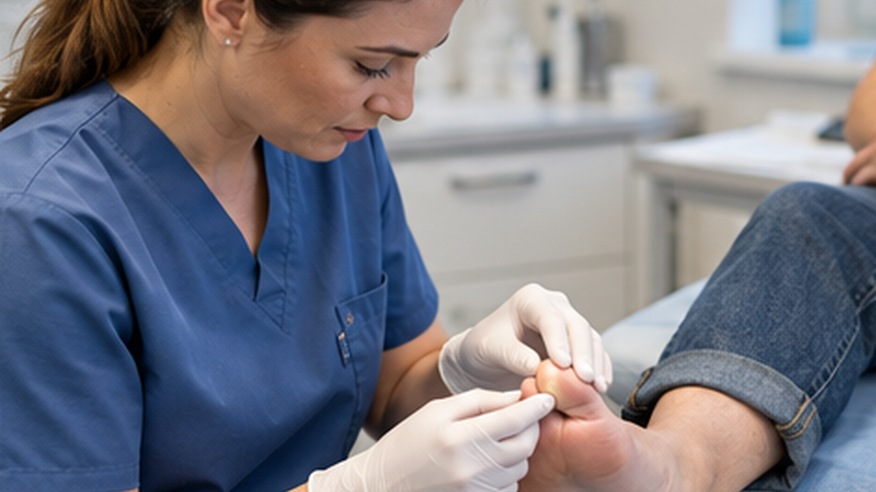
Ingrown Toenails: Causes, Symptoms and Treatment
An ingrown toenail occurs when the edge of the nail grows into the surrounding skin and can range from mild discomfort to infection.
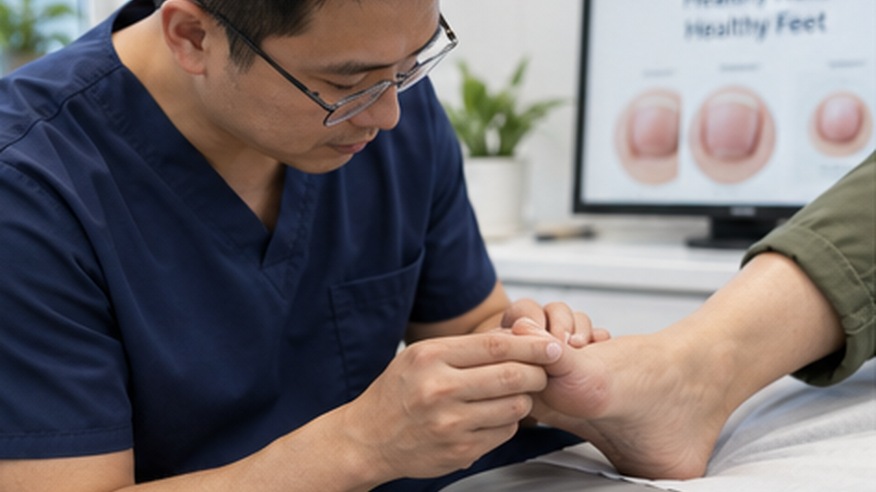
Fungal Toenails: Causes, Symptoms and Treatment Options
Thick or discoloured toenails are often blamed on fungus, but not every abnormal nail is fungal.
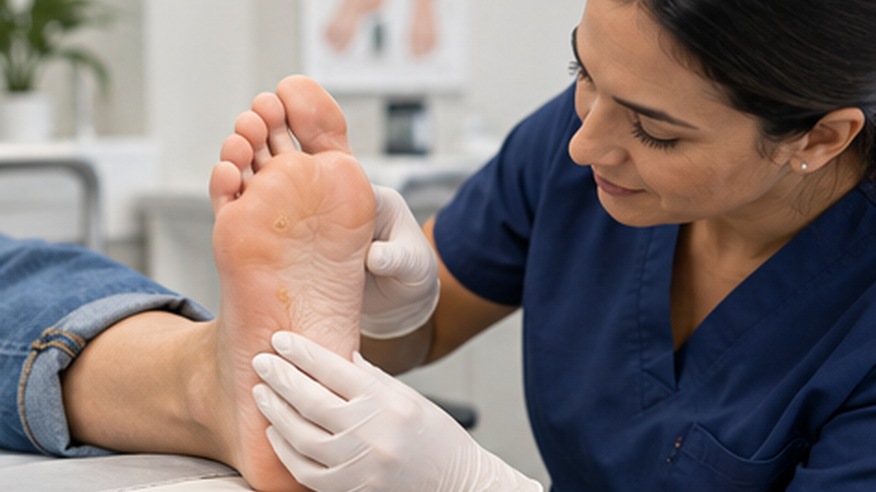
Plantar Warts (Verruca Pedis): Causes, Symptoms and Treatment
Plantar warts are viral skin infections on the sole of the foot. They may be mistaken for corns and can become painful with standing or walking.

Ankle Pain: Common Causes and What to Do Next
Ankle pain can follow a sprain or develop gradually from tendons, joints or repeated loading.
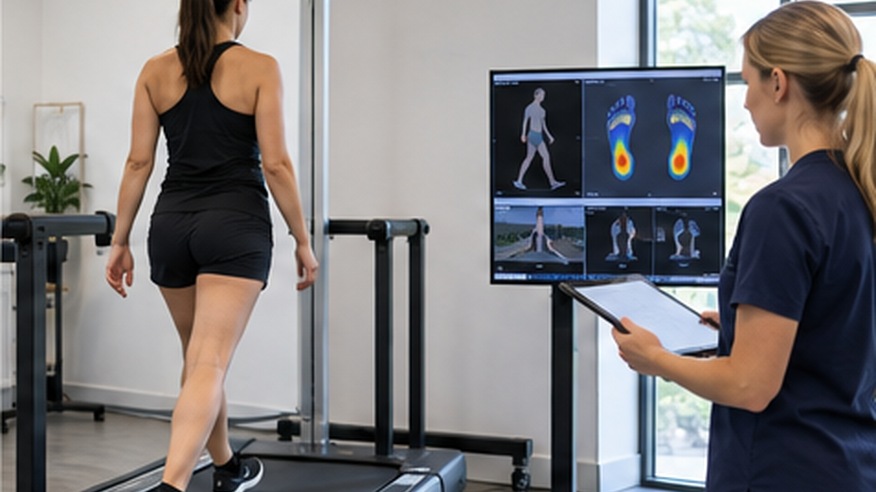
Should I Have a Gait Analysis?
Gait analysis is most useful when there is a specific question to answer rather than a search for an ideal walking pattern.
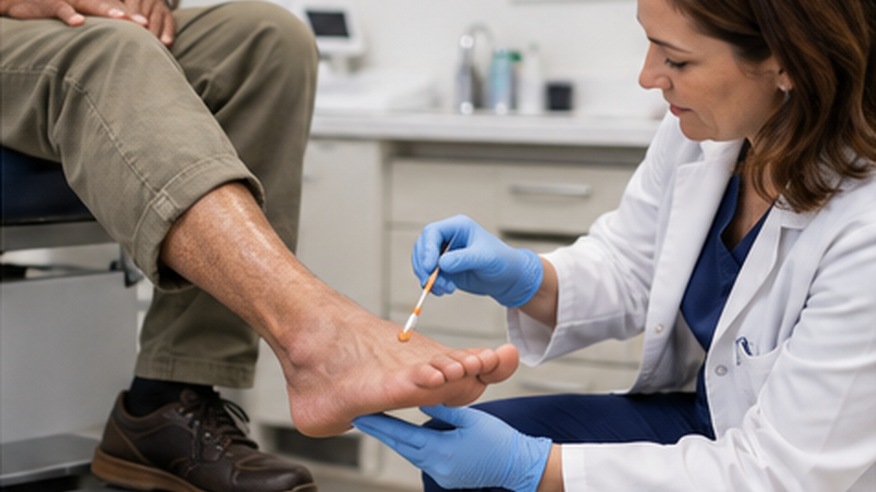
Diabetes Foot Nerve Assessment: Why It Matters
Diabetes can reduce sensation in the feet. Regular neurological assessment helps identify changes early and reduce the risk of ulcers, infection and other complications.
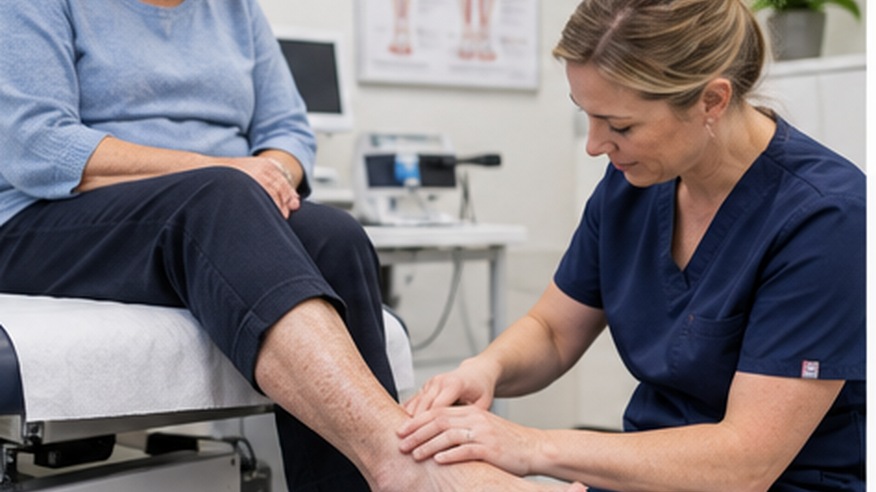
Lower Limb Vascular Assessment: Why It Matters
Healthy circulation is essential for the feet and legs. A vascular assessment can identify reduced blood flow before it contributes to wounds or other serious complications.
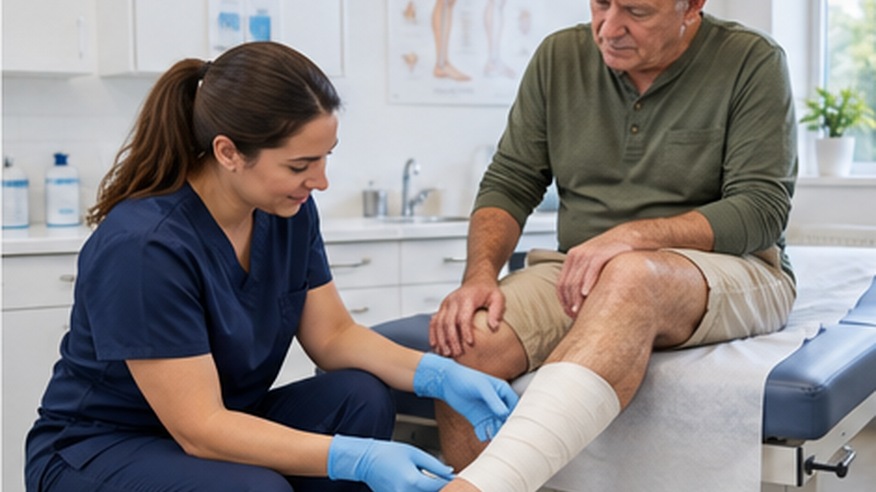
Lower Limb Wounds: Types, Treatment and When to Seek Help
Lower-limb wounds range from minor cuts to complex ulcers. Early assessment and appropriate care help reduce infection risk and support healing.

Arch Pain: What Could Be Causing It?
Pain through the arch is common, but the plantar fascia is not the only possible source.
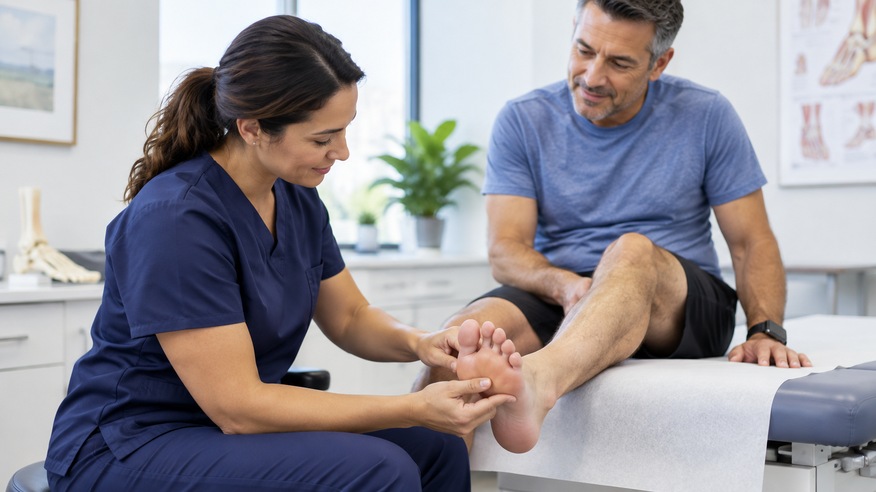
Ball of Foot Pain: What Could Be Causing It?
Pain beneath the forefoot is common and can have several different causes.
Big Toe Pain: Common Causes and When to Seek Help
Big-toe pain can come from arthritis, a bunion, injury, gout, sesamoids or the nail and surrounding skin.
Bunions: Why They Develop and What You Can Do
A bunion is part of a change in big-toe joint alignment rather than simply an extra piece of bone.
Hallux Limitus and Hallux Rigidus: Understanding a Painful, Stiff Big Toe
A practical guide to big-toe joint stiffness and arthritis, including footwear, orthotics, treatment options and when to seek assessment.
Metatarsalgia: Understanding Pain in the Ball of the Foot
Metatarsalgia describes pain beneath the metatarsal heads, but effective treatment depends on understanding why the forefoot is overloaded.
Pain on the Top of the Foot: Common Causes
Top-of-foot pain can come from footwear pressure, tendons, joints, nerves or bone stress.
Pain Under the Foot: Common Causes and What to Do Next
Pain underneath the foot can come from the heel, arch, forefoot, joints, nerves or skin.
Should I See a Podiatrist for Heel Pain?
Many episodes improve with simple measures, but persistent or recurrent heel pain deserves a diagnosis.
Why Does the Outside of My Foot Hurt?
Outer-foot pain can involve tendons, joints or bones, especially after an ankle roll or activity change.
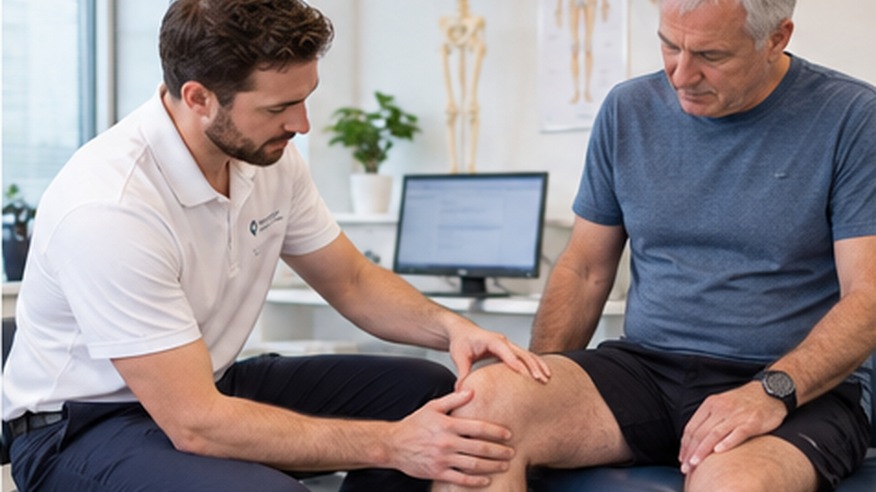
Knee Pain: Common Causes, Symptoms and What to Do Next
A consumer-friendly guide to understanding knee pain, when to seek assessment and common pathways to recovery.
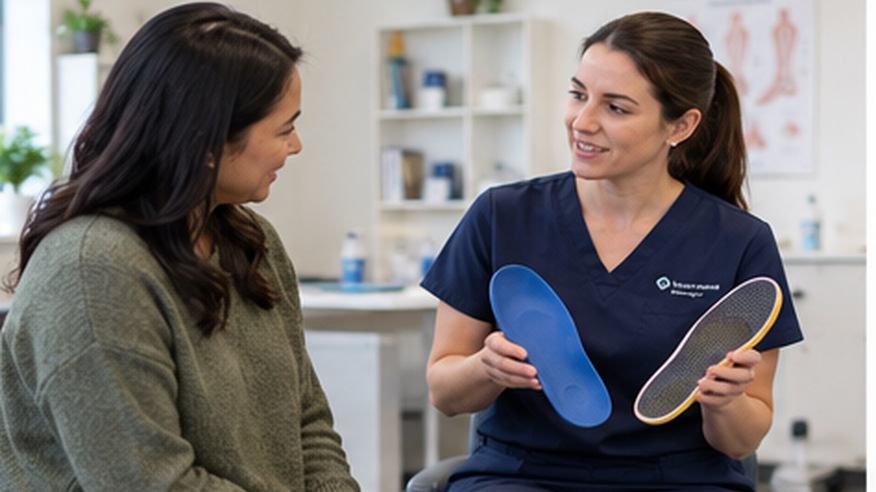
Custom Orthotics vs Shop-Bought Insoles: What’s the Difference?
Both custom orthotics and prefabricated insoles can be useful; the best choice depends on diagnosis, goal, footwear and required modification.
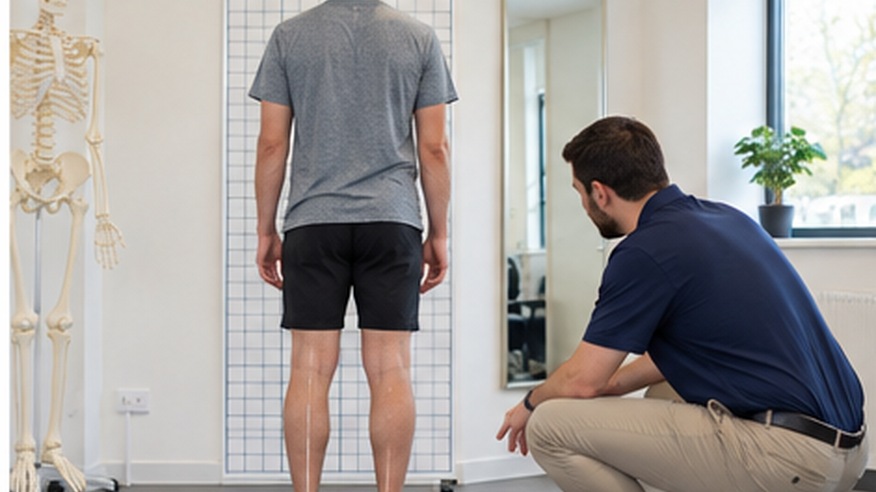
Do I Need a Biomechanical Assessment?
A biomechanical assessment examines how the feet, ankles and lower limbs function during standing and movement.
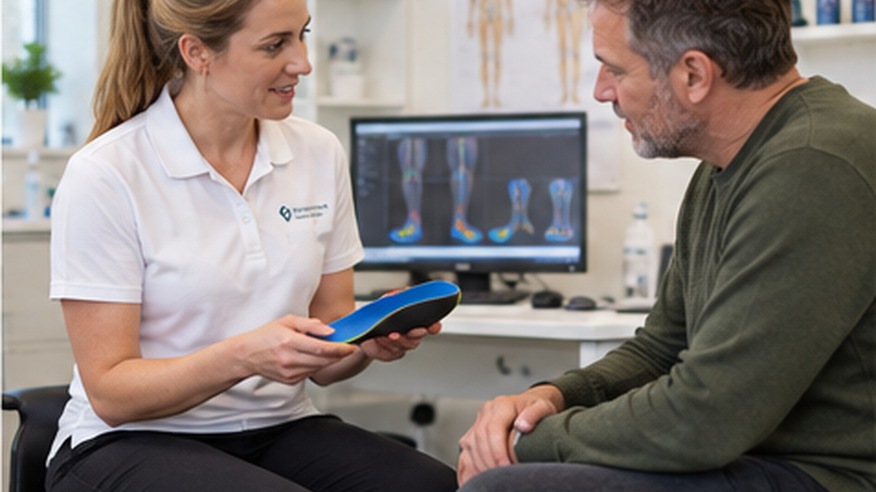
Do I Need Custom Orthotics?
The question is whether an individually prescribed device offers a meaningful advantage for your particular problem.
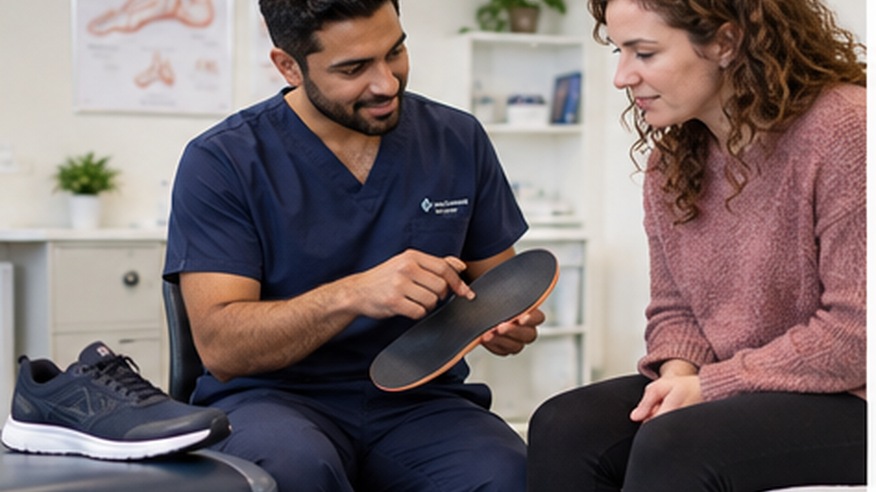
Orthotics: Do I Actually Need Them?
Orthotics can be useful, but they are not a universal solution for foot and leg pain.
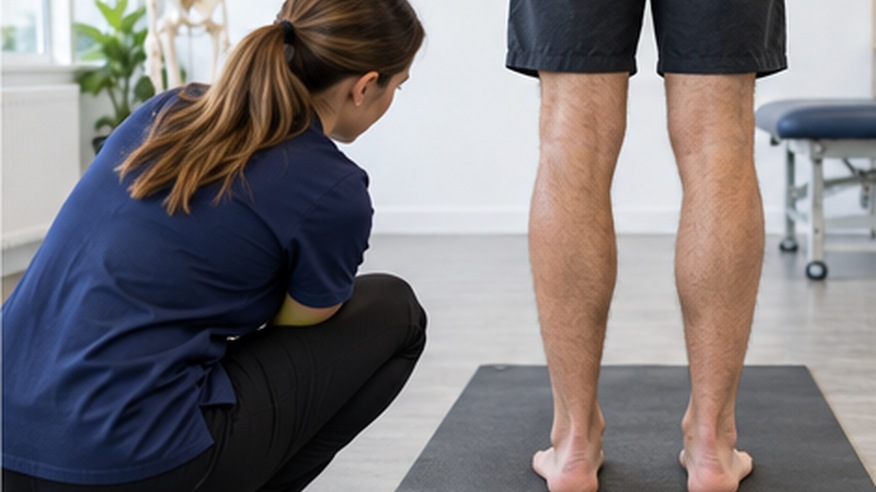
Overpronation: What Does It Actually Mean?
Pronation is a normal movement of the foot, and a pronated foot is not automatically an injured foot.
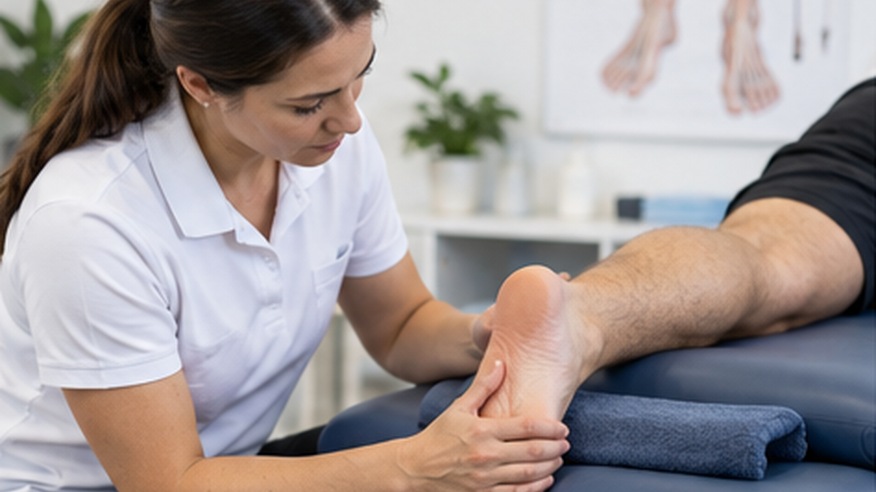
Achilles Tendon Pain: Causes, Treatment and Recovery
Achilles pain can develop gradually as tendinopathy or occur suddenly with a tendon tear.
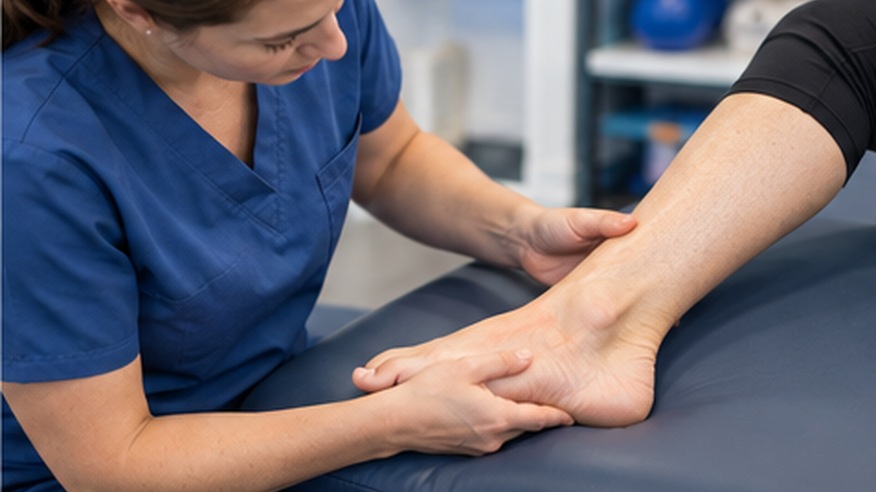
Peroneal Tendon Pain: Pain Around the Outside of the Ankle
The peroneal tendons help stabilise the outside of the ankle and can be painful from repeated loading or ankle injury.
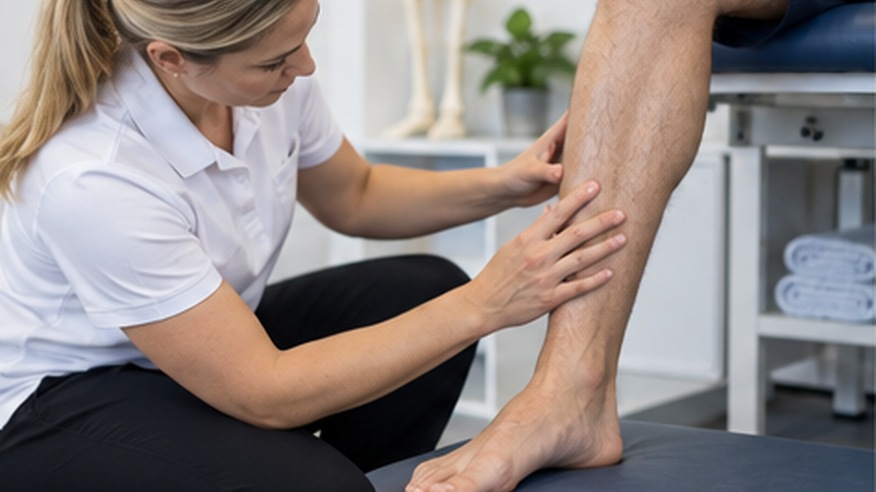
Shin Splints (Medial Tibial Stress Syndrome): Causes, Treatment and Recovery
What shin splints feel like, why they occur, how they differ from other causes of shin pain and how to return to activity safely.

Should I Stop Running With Foot Pain?
Not every ache means you must stop completely, but progressively worsening pain can turn a manageable problem into a bigger injury.

Stress Fractures of the Foot: Warning Signs and What to Do
Stress fractures develop from repeated loading rather than one major accident, and early recognition matters.
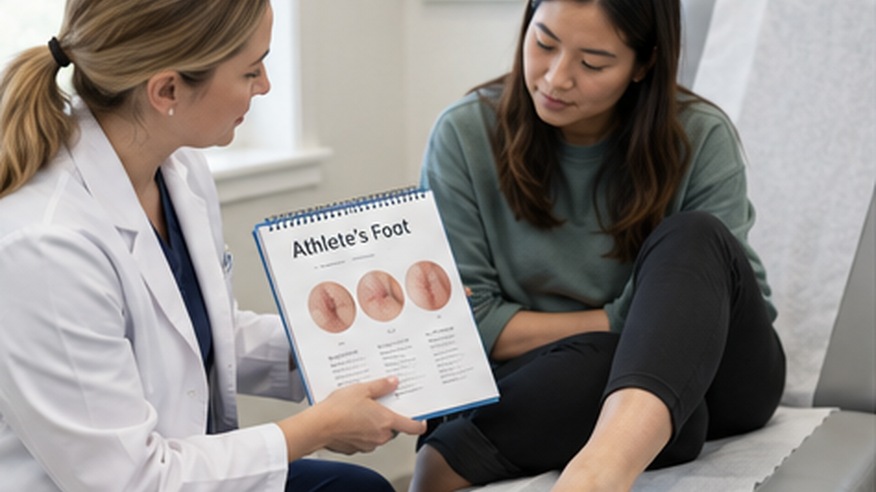
Athlete’s Foot: Symptoms, Treatment and Prevention
Athlete’s foot is a common fungal skin infection that often begins between the toes.
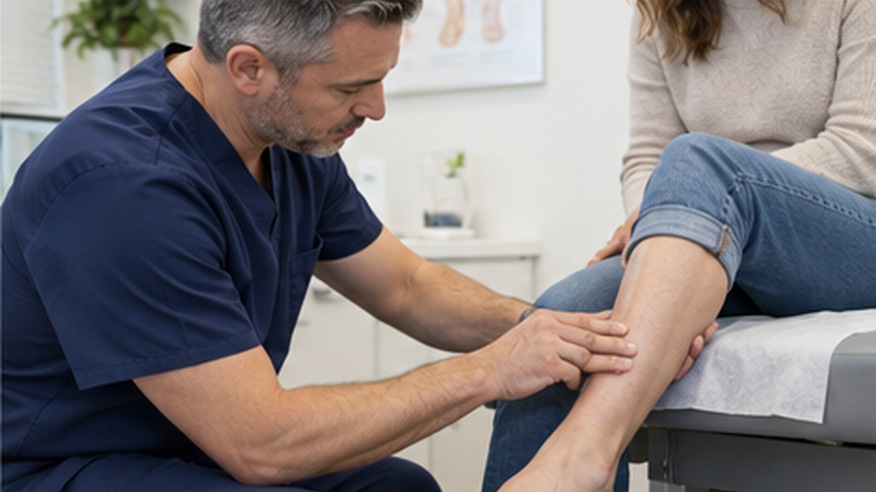
Common Skin Conditions Affecting the Feet and Lower Legs
Many skin and nail conditions look similar but require different treatment. Accurate diagnosis helps ensure the most appropriate care.
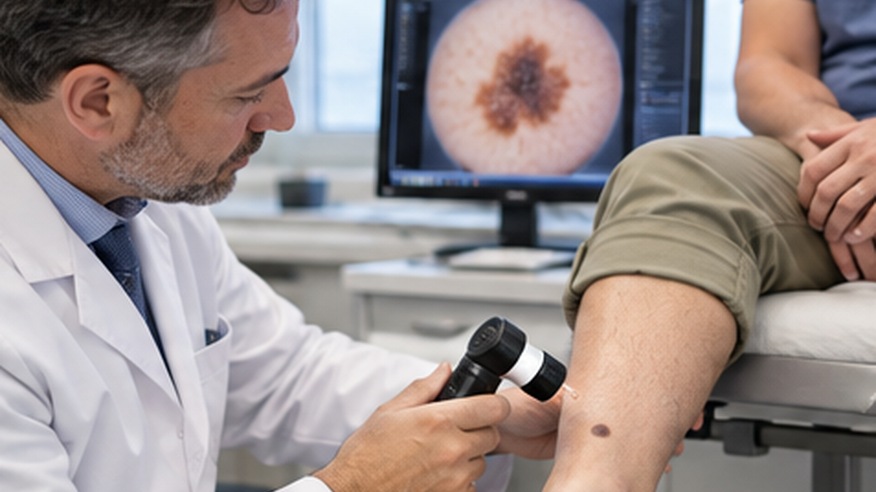
Melanoma on the Foot and Lower Limb: What You Should Know
Melanoma can occur on the feet, toes, soles and beneath toenails. Early detection matters, particularly because foot lesions can be overlooked.
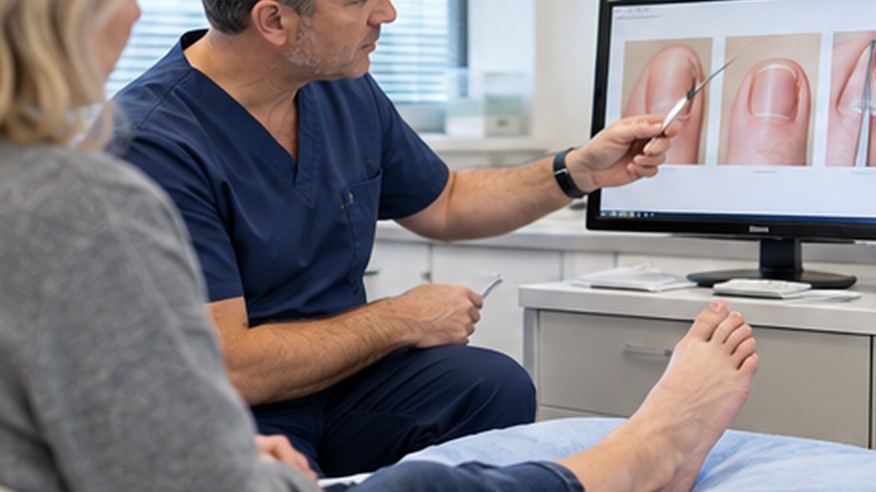
When Should an Ingrown Toenail Be Surgically Treated?
Not every ingrown toenail needs a procedure, but recurrent or persistent nails may benefit from removal of the offending nail edge.
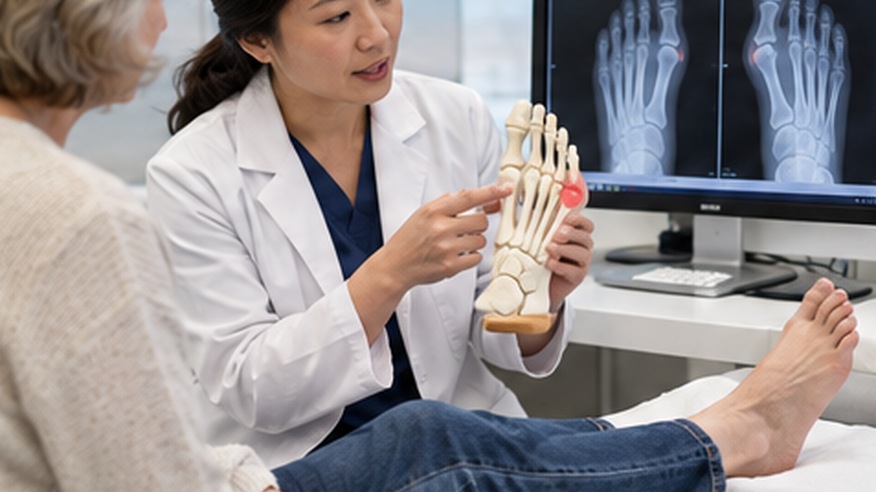
When Does a Bunion Need Surgery?
Bunion surgery is usually considered when pain and functional limitations remain significant despite non-surgical care.
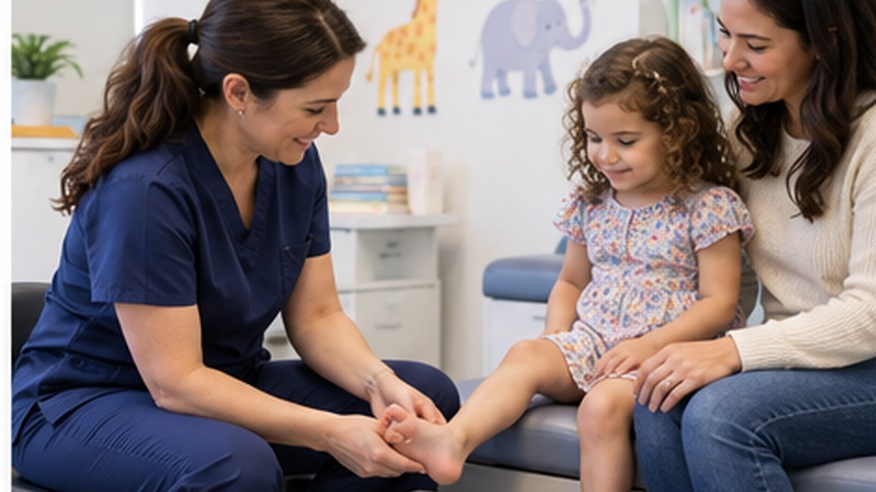
Children’s Foot Development and Podiatry Assessment Guide
Children’s feet grow and develop rapidly. Many changes are normal, while others may benefit from assessment and treatment.

Heel Pain in Children: Understanding Sever’s Disease
Sever’s disease is a common cause of activity-related heel pain during growth and usually settles as the growth plate matures.

In-Toeing in Children: When Is It Normal?
Many young children walk with their feet turned inward, and the pattern commonly improves naturally with growth.

Toe Walking in Children: When Should It Be Assessed?
Toe walking can be part of early gait development, but persistent toe walking has several possible causes.
Still not sure what’s going on?
Use our interactive foot map to tell us where it hurts and get guidance on the next steps.